Magic the Gathering Blastoise: Myth, Fan Creations, and the Possibility of a Legendary Crossover

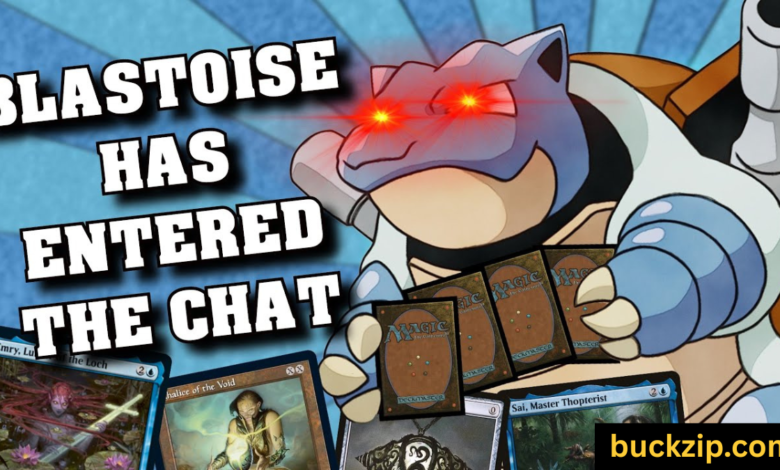
magic the gathering blastoiseThe concept of Magic the Gathering Blastoise has gained attention across trading card communities, even though it does not exist as an official card or crossover. The idea blends two massive collectible card game universes: the strategic depth of Magic: The Gathering and the iconic popularity of Blastoise from the Pokémon franchise. Fans often explore what would happen if these two worlds collided, especially given Blastoise’s legendary status in water-type Pokémon design.
This topic is not about official gameplay content but about imagination, fan culture, and creative card design. In online communities, players often discuss how Blastoise might function as a Magic-style creature card, what abilities it would have, and how it could interact with MTG’s complex mechanics. The idea represents the growing trend of crossover creativity in modern gaming culture.
Ultimately, Magic the Gathering Blastoise reflects how fans bridge nostalgic franchises with strategic card game systems. It is a blend of curiosity, design experimentation, and fandom storytelling that continues to grow in popularity.
Understanding the Two Universes Behind Magic the Gathering Blastoise
Magic: The Gathering and Its Strategic Depth
Magic: The Gathering is one of the most complex and respected trading card games in the world. Known for its deep strategy, color-based mana system, and rich lore, MTG allows players to build decks around specific mechanics and themes. Each card is carefully designed to maintain balance while also supporting unique storytelling elements within gameplay.
The idea of Magic the Gathering Blastoise becomes interesting when you consider how MTG handles creature design. Creatures are not just characters—they are strategic tools that interact with spells, lands, and other creatures. This makes fans wonder how a Pokémon like Blastoise would be translated into MTG’s structured gameplay system.
Blastoise and Its Role in Pokémon Culture
Blastoise is one of the original starter Pokémon and has remained a fan favorite since the early days of the franchise. In the Pokémon Trading Card Game, Blastoise is known for its powerful water-based attacks and defensive capabilities.
Its design—featuring water cannons mounted on its shell—makes it visually and conceptually strong for adaptation into other card systems. This is one reason why Blastoise frequently appears in fan-made MTG crossover concepts. Players enjoy imagining how its abilities would translate into mana costs, combat mechanics, and spell interactions.
Is Magic the Gathering Blastoise Real or Just a Fan Idea?
Despite its popularity in online discussions, Magic the Gathering Blastoise is not an official card or crossover product. There has never been an authorized collaboration between Wizards of the Coast and The Pokémon Company to integrate Pokémon characters into MTG.
The confusion often comes from fan-made custom cards, digital mockups, and proxy designs shared on forums and social media. These creations are unofficial but highly detailed, often mimicking MTG card templates and rules. As a result, many people mistakenly assume such cards are real.
In reality, Magic the Gathering Blastoise exists purely as a fan concept. It is part of a larger creative movement where players reimagine their favorite characters inside different game systems. This highlights how strong both franchises are in shaping imagination and community-driven content.
Fan-Made Magic the Gathering Blastoise Cards and Creativity
Custom Designs and Proxies
One of the most exciting aspects of Magic the Gathering Blastoise is the fan-made card community. Designers create custom MTG-style cards that feature Blastoise with carefully balanced abilities. These cards often assign blue mana as its primary color, sometimes combined with green or white depending on the interpretation.
Some versions focus on water control mechanics, such as generating tokens, controlling battlefield conditions, or dealing damage over time. Others emphasize Blastoise’s defensive shell, giving it high toughness and protection abilities.
Artistic Expression and Community Sharing
Fan artists play a huge role in expanding the Magic the Gathering Blastoise concept. Digital illustrations, proxy print sheets, and custom card generators are widely shared across platforms like Reddit, Discord, and card design forums. These communities value creativity over legality, focusing on design exploration rather than official play.
This creative ecosystem shows how modern fandoms evolve beyond official content. Even without corporate approval, ideas like Magic the Gathering Blastoise thrive because they allow players to blend imagination with game mechanics.
How Magic the Gathering Blastoise Would Work in Gameplay
Mana Color Identity and Design Logic
If Magic the Gathering Blastoise were designed officially, it would most likely belong to blue mana due to its water-based abilities. However, some interpretations suggest a hybrid identity involving green (for natural resilience) or white (for structured defense).
In MTG, color identity defines a card’s philosophy and mechanics. Blastoise would naturally align with control-based strategies, focusing on defense, resource manipulation, and incremental advantage rather than fast aggression.
Hypothetical Mechanics and Abilities
A theoretical Magic the Gathering Blastoise card might include abilities such as “water cannon damage,” “flood counter mechanics,” or “battlefield control effects.” It could function as a high-cost creature with strong defensive stats and late-game dominance.
Some fan versions even imagine it as a legendary creature with synergy in artifact or spell-heavy decks. This reflects how deeply players integrate Pokémon traits into MTG’s structured mechanics.
Magic the Gathering Crossovers and Industry Context
Crossovers in trading card games are not new. Magic: The Gathering has already explored collaborations through its Universes Beyond series, featuring franchises like The Lord of the Rings and Warhammer 40,000.
However, a Pokémon crossover remains unlikely due to licensing complexity and brand independence. The Pokémon Trading Card Game is managed separately by The Pokémon Company, which already operates a highly successful card ecosystem.
Even so, the popularity of Magic the Gathering Blastoise shows that fans are eager for more crossover experimentation. It highlights a broader trend in gaming where boundaries between franchises are becoming more creatively flexible—even if not officially merged.
Why Magic the Gathering Blastoise Is So Popular
The appeal of Magic the Gathering Blastoise comes from nostalgia and imagination. Many players grew up with Pokémon and later transitioned into Magic: The Gathering, making the idea of combining both worlds emotionally powerful.
Social media also amplifies this trend. Fan art, custom cards, and theoretical gameplay discussions spread quickly, turning niche ideas into viral topics. The blend of familiarity and creativity makes Blastoise an ideal subject for crossover speculation.
Additionally, both games reward strategic thinking, which makes the concept feel surprisingly natural despite being unofficial.
Could Magic the Gathering Blastoise Ever Become Official?
In theory, a Magic the Gathering Blastoise card would require major licensing agreements between multiple companies. Given the size and independence of both Magic: The Gathering and Pokémon ecosystems, such collaboration would be extremely complex.
However, the gaming industry is increasingly open to crossovers, as seen in recent MTG collaborations. While a Pokémon crossover is unlikely in the near future, it is not entirely impossible in the long term.
For now, Magic the Gathering Blastoise remains a creative “what if” scenario rather than an official product.
Conclusion
Magic the Gathering Blastoise is a fascinating example of how fandoms merge creativity with established gaming systems. While it is not an official card, it represents the imaginative power of communities that love both Magic: The Gathering and Blastoise.
The concept thrives because it sits at the intersection of nostalgia, strategy, and artistic expression. Whether through custom cards, digital art, or gameplay theorycrafting, fans continue to expand what such a crossover could look like.
In the end, Magic the Gathering Blastoise is less about reality and more about creativity—and that is exactly why it remains so popular.
You read: Anker power bank not charging
