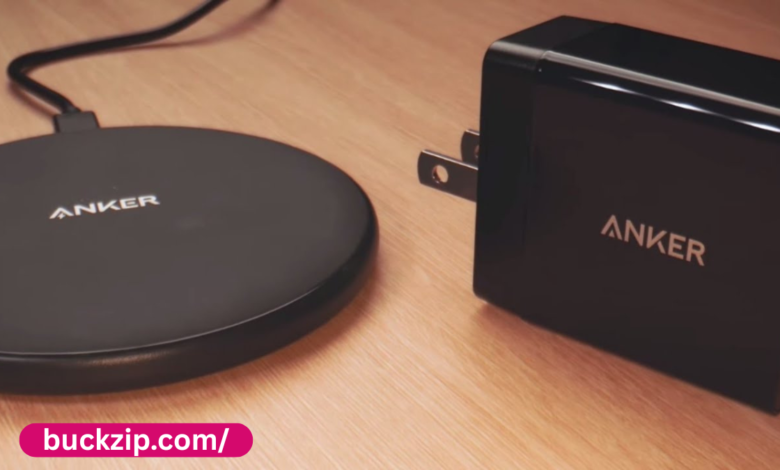
Anker not charging issues are more common than many users expect, especially because modern charging devices rely on multiple components working together perfectly. When a power bank, charger, or cable stops functioning, it can feel like the entire device has failed. In reality, most charging problems are caused by small issues such as a damaged cable, incompatible adapter, or temporary battery protection mode rather than a complete hardware failure Anker not charging.
Anker has become one of the most trusted names in Anker not charging technology due to its reliable power banks, fast chargers, and durable cables. However, even high-quality devices can experience interruptions in performance over time. Understanding how these devices work is the first step toward solving charging problems effectively.
This guide will walk you through everything you need to know about diagnosing and fixing “Anker not charging” issues. Whether your power bank is not charging, your phone is not receiving power, or your charger seems completely dead, you will learn how to identify the root cause and apply practical solutions.
Understanding Anker not charging Products
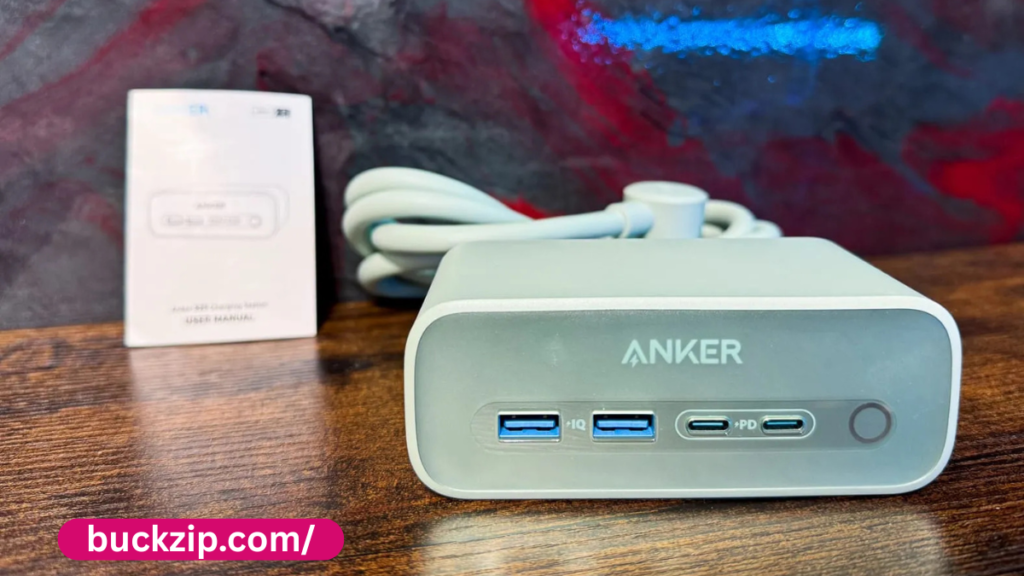
To fix any Anker not charging, it is important to understand how Anker’s ecosystem is designed. Anker products are built using smart charging technology that automatically adjusts output based on the connected device. This means a power bank or charger does not simply “push” power—it communicates with the device to deliver safe and optimized charging speeds Anker not charging.
Anker offers a wide range of charging solutions, including PowerCore power banks, wall chargers, multi-port charging hubs, and high-speed USB-C cables. Each of these components plays a specific role in delivering stable power. If even one part of the chain is faulty, the entire charging process can fail Anker not charging.
Modern devices also rely on fast-charging protocols such as Power Delivery (PD) or Quick Charge (QC). If your phone or tablet does not support the same standard as your Anker charger, it may appear as if the device is not charging at all or is charging extremely slowly. This compatibility factor is often overlooked but is one of the most common causes of charging confusion.
Common Reasons Anker not charging
One of the main reasons users face charging issues is a simple power source failure. A faulty wall outlet, unstable extension board, or weak USB port can stop power flow completely. Many users assume their Anker device is broken when the real issue lies in the power supply itself.
Cable damage is another major cause. Anker not charging cables are exposed to bending, pulling, and twisting every day, which can break internal wiring even if the exterior looks fine. Using non-certified or low-quality cables can also disrupt power delivery and prevent proper charging.
Battery-related issues can also trigger charging failure. If the power bank has been fully drained for a long time, it may enter a protective sleep mode to prevent damage. Similarly, overheating or extreme cold temperatures can temporarily stop charging as a safety measure.
Finally, compatibility problems between devices can create confusion. A charger designed for high-wattage laptops may not properly charge smaller devices if the protocol handshake fails. These small mismatches often lead users to believe their Anker product is malfunctioning when it is actually operating as designed.
How to Diagnose the Anker not charging
Diagnosing an Anker not charging requires a step-by-step approach. The first thing to check is the LED indicator on your device. Most Anker power banks show different light patterns depending on battery level, charging status, or error conditions. A blinking or completely off indicator can provide important clues.
Next, test your setup using different combinations of cables, adapters, and devices. For example, try charging your phone with a different cable or using your power bank with another device. This helps isolate whether the issue is with the Anker product or the connected accessory.
Another useful method is checking whether the device charges from multiple power sources. If your power bank charges from one wall outlet but not another, the issue is likely external. However, if it fails everywhere, the problem may be internal.
Finally, pay attention to unusual signs such as excessive heat, slow blinking lights, or intermittent charging. These symptoms often indicate deeper battery or circuitry issues that may require professional support or replacement.
Step-by-Step Fixes for Anker Not Charging
Start with the simplest fix: reconnect everything. Unplug the Anker not charging, wait a few seconds, and reconnect all components securely. Loose connections are one of the most overlooked causes of charging failure.
If the issue persists, inspect and clean the charging ports. Dust, lint, or debris can block proper contact between the cable and port. Use a dry brush or compressed air carefully to remove any buildup without damaging internal components.
Resetting the device can also help. Some Anker power banks can be reset by holding the power button for a few seconds. This clears temporary glitches and restores normal charging behavior.
If your device is not charging a phone but is charging itself, the issue may be related to output compatibility or fast-charging negotiation. Switching to a different cable or port often resolves this. In some cases, updating device firmware or ensuring your phone supports the charging standard can also make a difference.
Special Scenarios and Model-Specific Issues
Different situations require different solutions. For example, a power bank that does not charge at all may be in deep discharge protection mode. In this case, leaving it connected to a charger for several hours can sometimes revive it.
Wireless charging models may also experience alignment issues. If the phone is not placed correctly on the charging pad, power transfer will not begin. Even a slight misalignment can interrupt charging completely.
Devices used after long periods of inactivity may also fail to charge immediately. Batteries naturally lose calibration over time, and it may take several minutes of charging before any LED indicators appear.
High-power devices like laptops may not charge if the charger wattage is too low. Even if the connection is correct, insufficient power output will prevent effective charging. Understanding these specific scenarios helps narrow down the problem faster.
Tips to Prevent Future Charging Issues
Preventing charging issues is often easier than fixing them. Always use certified cables and original or high-quality adapters to ensure stable power delivery. Cheap accessories may save money initially but often lead to inconsistent performance and long-term damage.
Avoid exposing your charging devices to extreme heat or cold, as temperature fluctuations can reduce battery efficiency and trigger safety shutdowns. Proper storage also plays an important role in maintaining battery health.
Regularly inspect cables and ports for signs of wear and tear. Replacing damaged accessories early can prevent larger issues later. It is also a good idea to avoid overcharging devices for extended periods, even though most modern Anker products include protection systems.
Conclusion
Anker not charging issues can feel frustrating, but most problems are caused by simple and fixable factors such as cables, power sources, or compatibility mismatches. By understanding how charging systems work and following a structured troubleshooting approach, you can quickly identify and resolve most issues without needing professional repair.
With proper care and maintenance, Anker charging products can last for years while maintaining stable performance. The key is to use compatible accessories, avoid environmental stress, and regularly check for early signs of wear. In most cases, a systematic approach is all it takes to restore full charging functionality.
You read: Starlink snow melt

